Uncovering the truth debunking common casino myths and misconceptions
The Illusion of Control: Are Casinos Rigged?
A common belief among players is that casinos rig their games to ensure they always win. While it’s true that casinos have a built-in house edge, this does not imply that games are unfair or manipulated. Each game is designed to give the casino a small percentage of the total money wagered, which is crucial for their operation and profitability. The algorithms and rules are transparent and regulated, ensuring a fair environment for players. When exploring new gaming experiences, consider joining Ice Fishing Live, which offers exciting gameplay and real-time interaction.
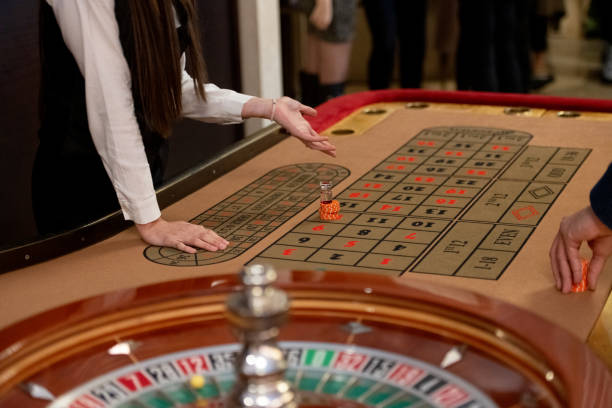
Moreover, the concept of “hot” and “cold” machines also fuels this misconception. Many players assume they can predict when a slot machine will pay out, based on previous results. However, slot machines use Random Number Generators (RNGs), which ensure that every spin is completely independent of the last. This unpredictability is what makes the game exciting, yet it also reinforces the belief that players can somehow influence the outcome.
It’s essential for players to understand that gambling should primarily be seen as entertainment, rather than a reliable source of income. The odds are not in their favor in the long run, which is why responsible gaming practices are vital. By recognizing the odds and the randomness inherent in gaming, players can enjoy their experience without falling prey to misconceptions about fairness.
The House Always Wins: What This Really Means
The phrase “the house always wins” reflects the reality of the gambling world but can be misleading. While it’s true that casinos profit in the long term, many players do experience wins, both big and small. The house edge varies significantly between different games, with some offering better odds than others. For instance, games like blackjack can have a lower house edge than slots, allowing skilled players to leverage strategy for more favorable outcomes.
Understanding the house edge is essential for making informed choices about where to gamble. Players can improve their odds by selecting games with better payouts and learning the optimal strategies for those games. This knowledge empowers players to maximize their entertainment while minimizing losses, creating a more fulfilling gambling experience.
Additionally, many casinos offer promotions, bonuses, and rewards programs that can tilt the odds slightly in favor of the players. These incentives can enhance gameplay and provide additional chances to win without increasing the risk. So, while the house does have an advantage, being savvy about game choice and utilizing promotions can lead to enjoyable and occasionally lucrative experiences.
The Role of Luck vs. Skill in Gambling
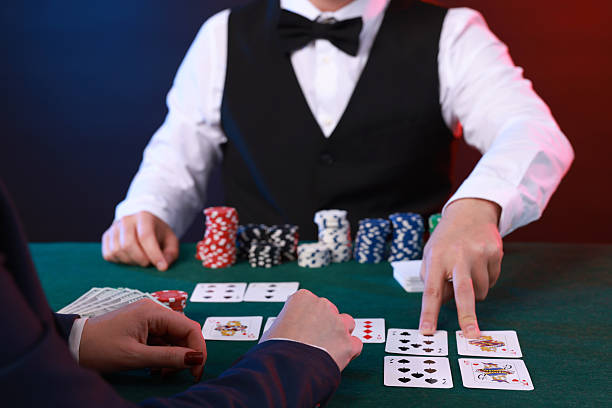
The belief that luck is the sole determining factor in gambling is widespread, yet it overlooks the skills and strategies that can influence outcomes in various games. While games like slots are purely luck-based, others, such as poker or blackjack, require a combination of skill, strategy, and psychological insight. Players who invest time in learning these skills can significantly improve their chances of winning.
In poker, for example, understanding the dynamics of player behavior and mastering concepts like pot odds can lead to better decision-making and increased profitability. Similarly, in blackjack, knowing when to hit or stand based on statistical probabilities can minimize losses and even turn the odds in the player’s favor. Therefore, while luck plays a significant role, skill and strategy cannot be ignored, especially in games that allow for player decisions.
It’s vital to approach gambling with the understanding that it can be both fun and challenging. A player who combines luck with informed decision-making and strategy can enhance their gaming experience. This dual perspective enriches the enjoyment of the game while also increasing the chances of a positive outcome, challenging the notion that luck is the only player in the casino arena.
The Myths of Winning Streaks and Gambler’s Fallacy
One prevalent myth is the idea of winning streaks, where players believe they can predict future wins based on their recent performance. This belief is often associated with the gambler’s fallacy, which is the incorrect assumption that past events can influence future outcomes in games of chance. For instance, a player might think that a slot machine that hasn’t paid out recently is “due” for a win, leading to misplaced bets.
Understanding that each game outcome is independent is crucial. In reality, every spin or hand is determined by RNGs or shuffled decks, meaning past results have no bearing on what will happen next. The gambler’s fallacy not only misleads players but can lead to increased losses as they chase losses or believe in streaks that simply don’t exist in randomized games.
To counteract this myth, players should focus on the statistical nature of gambling rather than emotional or anecdotal evidence. Recognizing that each bet is an isolated event can help players avoid falling into the trap of chasing losses or betting based on false trends. This awareness is key to fostering responsible gambling habits and enjoying the games without unnecessary risk.
Understanding Casino Promotions and Their True Value
Casino promotions, including bonuses and free plays, are designed to attract new players and retain existing ones. However, a common myth is that these promotions are always beneficial to the player. In reality, many promotions come with terms and conditions that can make them less valuable than they appear at first glance. Understanding these fine print details is essential for players looking to maximize their benefits from promotional offers.
For example, a bonus might require a player to wager a specific amount before they can withdraw any winnings, which can be challenging to achieve without incurring losses. Additionally, certain games may contribute less towards wagering requirements than others, limiting the player’s options. Being informed about these conditions allows players to make educated decisions about which promotions to pursue and how to use them effectively.
Casinos often offer loyalty programs that reward frequent players, providing another avenue to gain value. By taking the time to understand how these programs work and utilizing their benefits, players can enhance their gaming experience and increase their chances of winning. Recognizing the true value of promotions and loyalty rewards is key to maximizing enjoyment and potential profit during gameplay.

Conclusion: Embracing Knowledge for a Better Casino Experience
Understanding the truth behind common casino myths and misconceptions is essential for anyone interested in gambling. By debunking these myths, players can make informed decisions that enhance their enjoyment and minimize unnecessary risks. Knowledge empowers players to approach gambling with a clear mindset and to recognize the elements of chance versus strategy involved in various games.
Furthermore, embracing a responsible gambling approach while acknowledging the unpredictability of outcomes can lead to a more fulfilling experience. Whether it’s recognizing the role of skill in certain games or understanding the implications of house edges and promotions, informed players can navigate the casino landscape more effectively. This awareness fosters a healthier relationship with gambling, ensuring it remains a source of entertainment rather than a financial burden.